

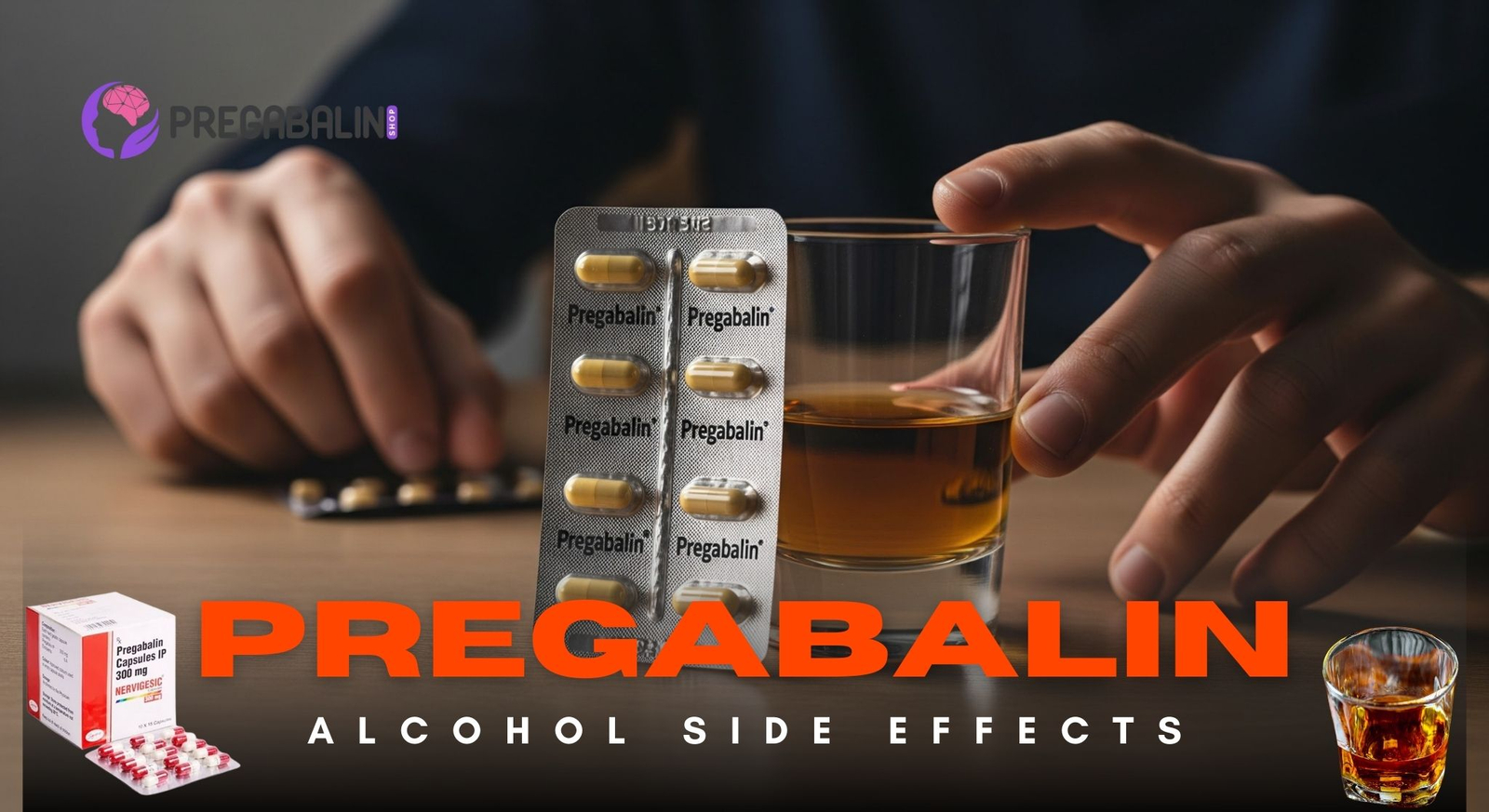
Pregabalin is a commonly prescribed medication used to treat nerve pain, epilepsy, fibromyalgia, and anxiety disorders. While it is effective for managing these conditions, many people wonder about the safety of consuming alcohol while taking pregabalin. The interaction between pregabalin alcohol can be serious and, in some cases, dangerous. Understanding how these two substances affect the body is essential for avoiding health risks and ensuring safe treatment.
This article explains what happens when pregabalin and alcohol are used together, potential side effects, long-term risks, and important safety guidelines.
What Is Pregabalin?
Pregabalin is a prescription medication that works by calming overactive nerves in the brain. It belongs to a class of drugs known as anticonvulsants or neuropathic pain agents. Doctors commonly prescribe pregabalin for:
- Nerve pain (neuropathy)
- Partial seizures
- Fibromyalgia
- Generalized anxiety disorder (GAD)
- Pain after spinal cord injury
Pregabalin affects the central nervous system (CNS), slowing down nerve signals and reducing pain and anxiety.
How Alcohol Affects the Body
Alcohol is also a central nervous system depressant. It slows brain activity, affects coordination, impairs judgment, and can cause drowsiness or dizziness. When alcohol is consumed in large amounts, it can suppress breathing, lower blood pressure, and increase the risk of accidents or unconsciousness.
Pregabalin Alcohol Interaction Explained
When pregabalin and alcohol are taken together, their effects on the central nervous system can intensify. Since both substances cause sedation and slow brain activity, combining them may lead to enhanced side effects and serious health complications.
The interaction does not usually create a new chemical reaction, but it amplifies the depressant effects, making the combination potentially unsafe.
Common Side Effects of Mixing Pregabalin and Alcohol
Combining pregabalin with alcohol may increase the likelihood and severity of side effects, such as:
- Extreme drowsiness
- Dizziness or lightheadedness
- Confusion or poor concentration
- Slurred speech
- Loss of coordination
- Blurred vision
- Memory problems
These effects can make everyday activities like driving, working, or even walking unsafe.
Serious Health Risks
In some cases, the pregabalin alcohol combination can cause severe complications, including:
- Respiratory depression (slow or shallow breathing)
- Fainting or loss of consciousness
- Increased risk of falls and injuries
- Coma in extreme cases
- Higher risk of overdose
People with underlying health conditions or those taking high doses of pregabalin are at greater risk.
Pregabalin vs Alcohol Effects on the Body
| Factor | Pregabalin | Alcohol | Combined Effect |
|---|---|---|---|
| CNS Depression | Moderate | Moderate to High | Very High |
| Drowsiness | Common | Common | Severe |
| Coordination | Reduced | Reduced | High risk of falls |
| Mental Alertness | Lowered | Impaired | Significant confusion |
| Breathing | Slight suppression | Suppression at high doses | Risk of respiratory depression |
| Driving Ability | Impaired | Impaired | Extremely unsafe |
Who Should Avoid Alcohol Completely?
Certain individuals should never mix pregabalin and alcohol, including:
- Older adults
- People with respiratory disorders
- Patients with kidney problems
- Individuals with a history of substance abuse
- Those taking high doses of pregabalin
- People using other sedative medications
For these groups, even small amounts of alcohol can be dangerous.
Can You Drink Alcohol Occasionally on Pregabalin?
Some doctors may allow limited alcohol consumption for patients on low doses of pregabalin, but this should only be done with medical approval. Even occasional drinking can cause unexpected side effects, especially when starting treatment or adjusting dosage.
It is safest to avoid alcohol completely until you know how pregabalin affects your body.
Long-Term Effects of Mixing Pregabalin and Alcohol
Long-term use of both substances together can lead to:
- Increased tolerance and dependence
- Worsening anxiety or depression
- Memory and cognitive issues
- Higher risk of addiction
- Liver and kidney strain
Chronic alcohol use may also reduce the effectiveness of pregabalin, making symptom control more difficult.
Safety Tips to Follow
To reduce risks associated with pregabalin alcohol interaction, follow these safety tips:
- Avoid alcohol when starting pregabalin
- Never exceed prescribed doses
- Do not drive or operate machinery
- Inform your doctor about alcohol use
- Watch for unusual side effects
- Seek immediate help if breathing becomes difficult
When to See a Doctor
Contact a healthcare professional immediately if you experience:
- Severe dizziness or confusion
- Difficulty breathing
- Unusual sleepiness
- Loss of consciousness
- Signs of overdose
Prompt medical attention can prevent serious complications.
Conclusion
The combination of pregabalin and alcohol can significantly increase the risk of side effects and dangerous health outcomes. Since both substances depress the central nervous system, using them together is generally not recommended. For your safety, it is best to avoid alcohol while taking pregabalin unless your doctor specifically advises otherwise.
Always follow medical guidance, prioritize your health, and make informed decisions to ensure safe and effective treatment.
Read More :- Buy Pregabalin Online Safely In The UK and Australia