

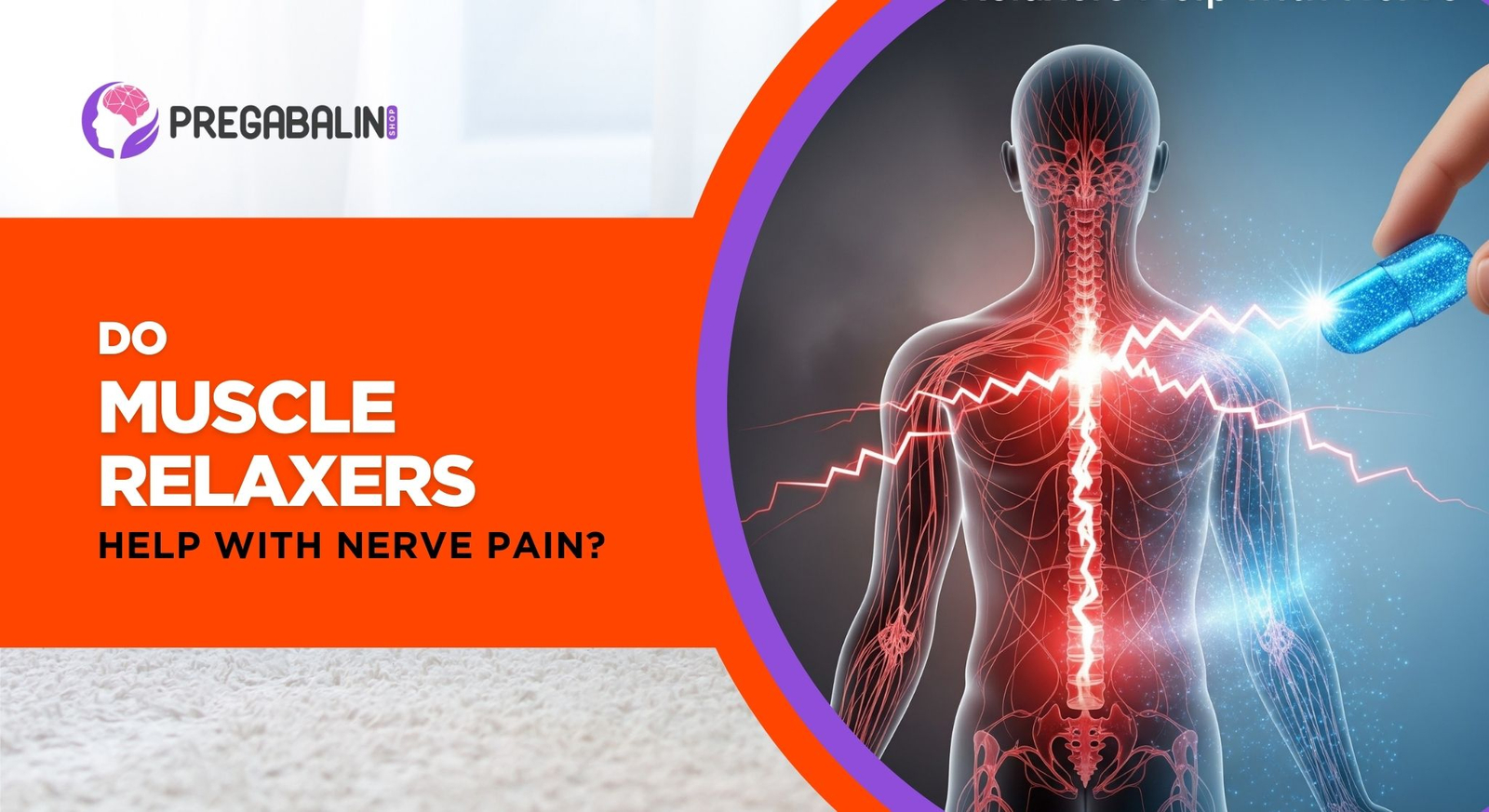
Do Muscle Relaxers Help with Nerve Pain? What You Need
Nerve pain can be debilitating, affecting every aspect of daily life. If you’re experiencing shooting, burning, or tingling sensations, you might wonder whether muscle relaxers could provide relief. While these medications are commonly prescribed for muscle-related issues, their role in treating nerve pain is more complex than many people realize.
What are Muscle Relaxers?
Muscle relaxers, also known as muscle relaxants, are a class of medications designed to reduce muscle tension and spasms. These drugs work primarily on the central nervous system to decrease muscle activity and provide relief from musculoskeletal pain.
Common muscle relaxers include cyclobenzaprine (Flexeril), methocarbamol (Robaxin), tizanidine (Zanaflex), and baclofen. These medications are typically prescribed for short-term use to treat acute muscle spasms, back pain, or injuries that cause muscle tightness.
Muscle relaxers generally fall into two categories: antispasmodics and antispastics. Antispasmodics are used for muscle spasms related to musculoskeletal conditions, while antispastics are primarily prescribed for spasticity associated with neurological conditions like multiple sclerosis or cerebral palsy.
Most muscle relaxers are taken orally and can cause side effects such as drowsiness, dizziness, dry mouth, and fatigue. Because of their sedating properties, they’re usually recommended for nighttime use and should not be taken when operating vehicles or machinery.
Understanding Nerve Pain
Nerve pain, medically termed neuropathic pain, occurs when nerves themselves are damaged or malfunctioning. Unlike nociceptive pain that results from tissue damage, nerve pain originates from problems within the nervous system itself.
This type of pain can manifest in various ways: burning sensations, electric shock-like feelings, tingling, numbness, or extreme sensitivity to touch. Common causes include diabetes (diabetic neuropathy), shingles, herniated discs, spinal cord injuries, chemotherapy, and autoimmune diseases.
Nerve pain is notoriously difficult to treat because standard pain relievers like ibuprofen or acetaminophen often provide little relief. The pain signals are generated by the nerves themselves rather than being a response to external injury, requiring different therapeutic approaches.
Conditions like sciatica, trigeminal neuralgia, and postherpetic neuralgia are all examples of nerve pain syndromes that affect millions of people worldwide. The chronic nature of nerve pain can significantly impact quality of life, leading to sleep disturbances, depression, and reduced mobility.
Read More :- How to Use Turmeric for Nerve Pain Relief Naturally
Do Muscle Relaxers Help With Nerve Pain?
The short answer is: muscle relaxers are not specifically designed to treat nerve pain, but they may provide indirect relief in certain situations.
Muscle relaxers primarily target muscle spasms and tension rather than addressing the underlying nerve dysfunction that causes neuropathic pain. However, there’s an important connection to understand: nerve pain often triggers secondary muscle spasms and tension as the body tries to protect the affected area.
For example, if you have sciatica caused by a compressed nerve in your lower back, the surrounding muscles may tighten in response to the pain. In this scenario, a muscle relaxer might help ease the muscle spasms, which could reduce overall discomfort and allow for better movement and positioning.
Some studies suggest that certain muscle relaxers, particularly those with sedative properties, may help people with nerve pain sleep better, which indirectly supports the healing process. Better sleep can also improve pain tolerance and overall wellbeing.
However, muscle relaxers will not address the root cause of nerve pain. They won’t repair damaged nerves, reduce inflammation affecting nerves, or stop abnormal nerve signaling. This means that while they might offer some symptomatic relief, they’re not a primary treatment for neuropathic conditions.
Read More :- How Long Does Pregabalin Stay In Your System?
How Do Muscle Relaxers Work to Relieve Nerve Pain?
When muscle relaxers do provide relief for nerve pain, it’s typically through indirect mechanisms rather than direct nerve treatment.
First, by reducing muscle spasms that often accompany nerve pain, muscle relaxers can decrease the overall pain burden. When muscles surrounding an irritated nerve relax, there may be less pressure on the nerve itself, potentially reducing pain signals.
Second, the sedative effects of many muscle relaxers can help break the pain-tension cycle. Chronic pain often leads to muscle tension, which increases pain, creating a vicious cycle. By promoting relaxation and better sleep, muscle relaxers may help interrupt this pattern.
Certain muscle relaxers like baclofen work on GABA receptors in the brain and spinal cord, which are involved in pain processing. While this mechanism primarily targets muscle tone, it may have some effect on how the nervous system processes pain signals.
It’s important to note that the effectiveness varies significantly between individuals. What works for one person’s nerve pain may not work for another, depending on the underlying cause, severity, and individual physiology.
Other Options For Nerve Pain
Since muscle relaxers aren’t specifically designed for nerve pain, exploring treatments that directly target neuropathic mechanisms is essential.
Medications specifically for nerve pain include anticonvulsants like gabapentin and pregabalin, which stabilize overactive nerve signals. Antidepressants such as duloxetine and amitriptyline are also proven effective for nerve pain by altering neurotransmitter levels that affect pain perception.
Topical treatments like capsaicin cream or lidocaine patches can provide localized relief without systemic side effects. These work directly on nerve endings in the skin to reduce pain signals.
Physical therapy plays a crucial role in managing nerve pain by improving flexibility, strengthening supporting muscles, and teaching proper body mechanics to avoid nerve compression. Techniques like nerve gliding exercises can help reduce nerve irritation.
Interventional procedures such as nerve blocks, epidural steroid injections, or radiofrequency ablation may be considered for severe or persistent nerve pain that doesn’t respond to conservative treatment.
Alternative therapies including acupuncture, transcutaneous electrical nerve stimulation (TENS), and biofeedback have shown promise for some individuals with chronic nerve pain.
Lifestyle modifications shouldn’t be overlooked. Maintaining healthy blood sugar levels (particularly for diabetic neuropathy), avoiding alcohol and smoking, eating a balanced diet rich in B vitamins, and managing stress can all support nerve health.
Combination therapy often works best for nerve pain. Your healthcare provider might recommend using multiple approaches simultaneously, such as medication, physical therapy, and lifestyle changes, to achieve optimal pain control.
The key to managing nerve pain effectively is working with healthcare professionals who understand neuropathic conditions and can tailor treatment to your specific situation. While muscle relaxers might play a supporting role, they’re rarely the primary solution for true nerve pain.
Author / Written By: Dr. Andrew
Post Uploaded Date: February 04, 2026
Last Updated Date: February 04, 2026
Reading Time: 7 min read
Medical Disclaimer
This content is for informational purposes only and does not constitute medical advice. Pregabalin should only be used under the guidance of a qualified healthcare professional. Always consult your doctor before starting, stopping, or changing any medication for anxiety or other health conditions.Read More :- Pregabalin Alcohol Interaction: Risks, Side Effects & Safety